


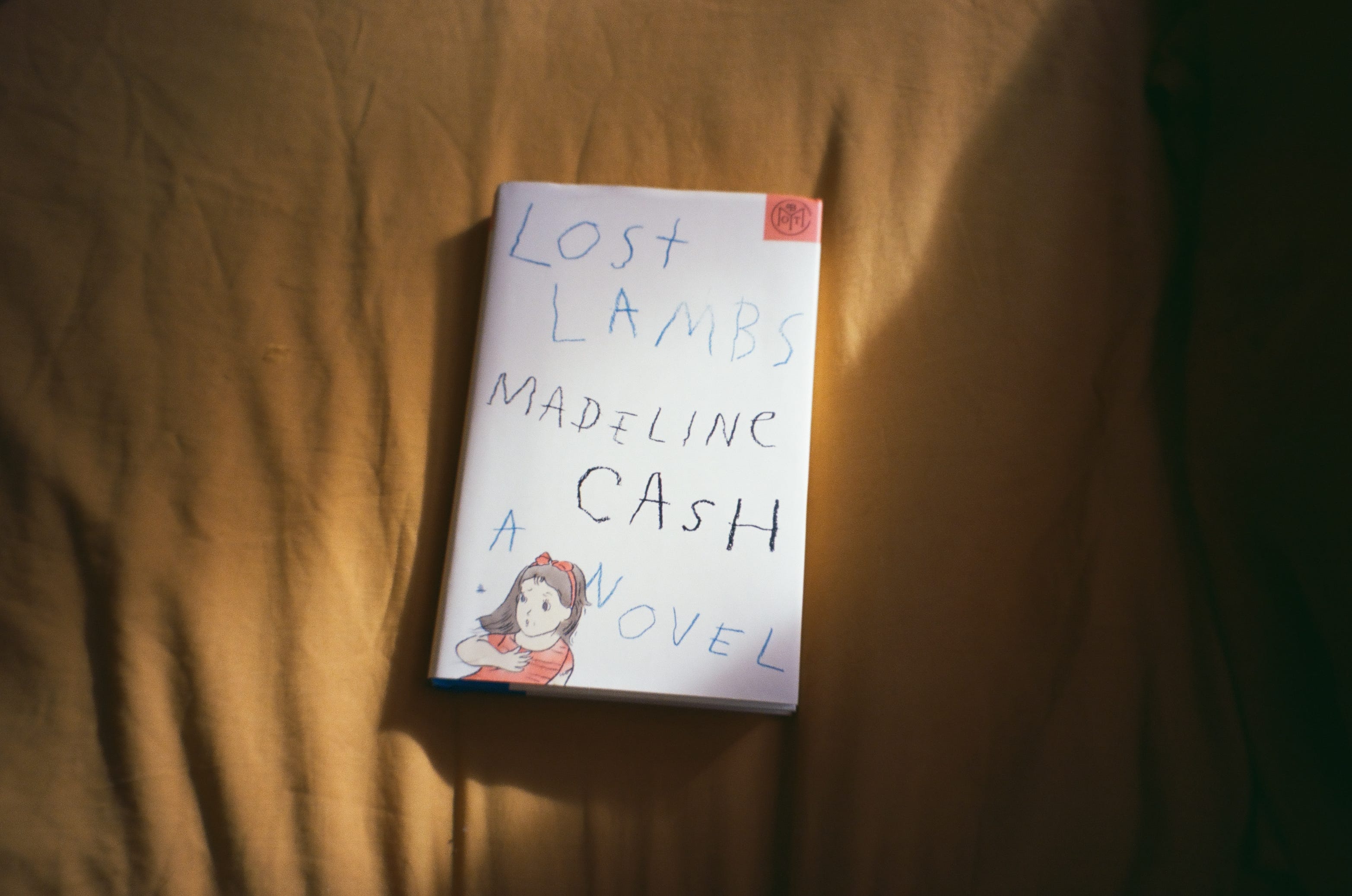
Book: Lost Lambs
Author: Madeline Cash
Published: Farrar, Straus and Giroux, 2026
Photographed on: Ektar 100, 35mm film
Pairs well with: Black hot coffee and an everything croissant
Listen to after reading: The Explorer by Dora Jar

If you haven’t seen press about Lost Lambs by Madeline Cash, you’re probably living under a rock.
Just a week before the book’s publication in January, I attended Book of the Month’s event with FSG to celebrate it. It was in one of the hottest venues in Manhattan: The Greenhouse at Nine Orchard rooftop. There was a live taping of Madeline Cash’s interview that night for Book of the Month’s podcast, and Cash was named a “literary it-girl” by the moderator. I looked around the room to see all of the coolest people in the book world in attendance. The bar: open. The martinis: flowed. The outfits: stylish.
I thought to myself: book parties are so back, while sipping my extra dirty gin martini, feeling like we were living in a prior decade when it was normal for publishers to spend thousands of dollars on an extravagant book launch.


Book of the Month graciously gave everyone in attendance a tote bag with the book cover on it, pins to wear, bookmarks, and, of course, a copy of Lost Lambs itself.
I read the novel over the next few weeks while carrying around the tote regularly. A woman on the street in my neighborhood saw it and stopped me, saying, “Have you read it yet? I just got it. It’s already so good.”
Then the reviews started rolling in hot, too, naming the book “the comic novel we need right now” (Washington Post) and a debut novel that’s “as human as they come” (Vogue).
So, by this point (if you’re still with me), you’re probably wondering what the hell this book is about.
Lost Lambs is a wacky novel that reflects our current wacky times. It’s about a dysfunctional family—the Flynns—consisting of Catherine and Bud, the parents who are exploring an open marriage, and their three daughters: Abigail, Louise, and Harper.
I was intrigued by the promise of a chaotic family novel, which I love, and the Flynn family delivers on sheer spectacle. Everyone is in the middle of some personal unraveling: Harper, the youngest, is convinced a sculpture in their home is spying on them; Louise, painfully lonely, has struck up an online relationship with a man calling himself Yours Truly, whose requests grow stranger under the guise of “the cause”; Abigail is entangled with a soldier known as War Crimes Wes; their mother Catherine drifts through a marriage that no longer engages her; and Bud, the father, is left attempting damage control while questioning his own sense of purpose at Alabaster Harbour, where he works, run by tech billionaire Paul Alabaster
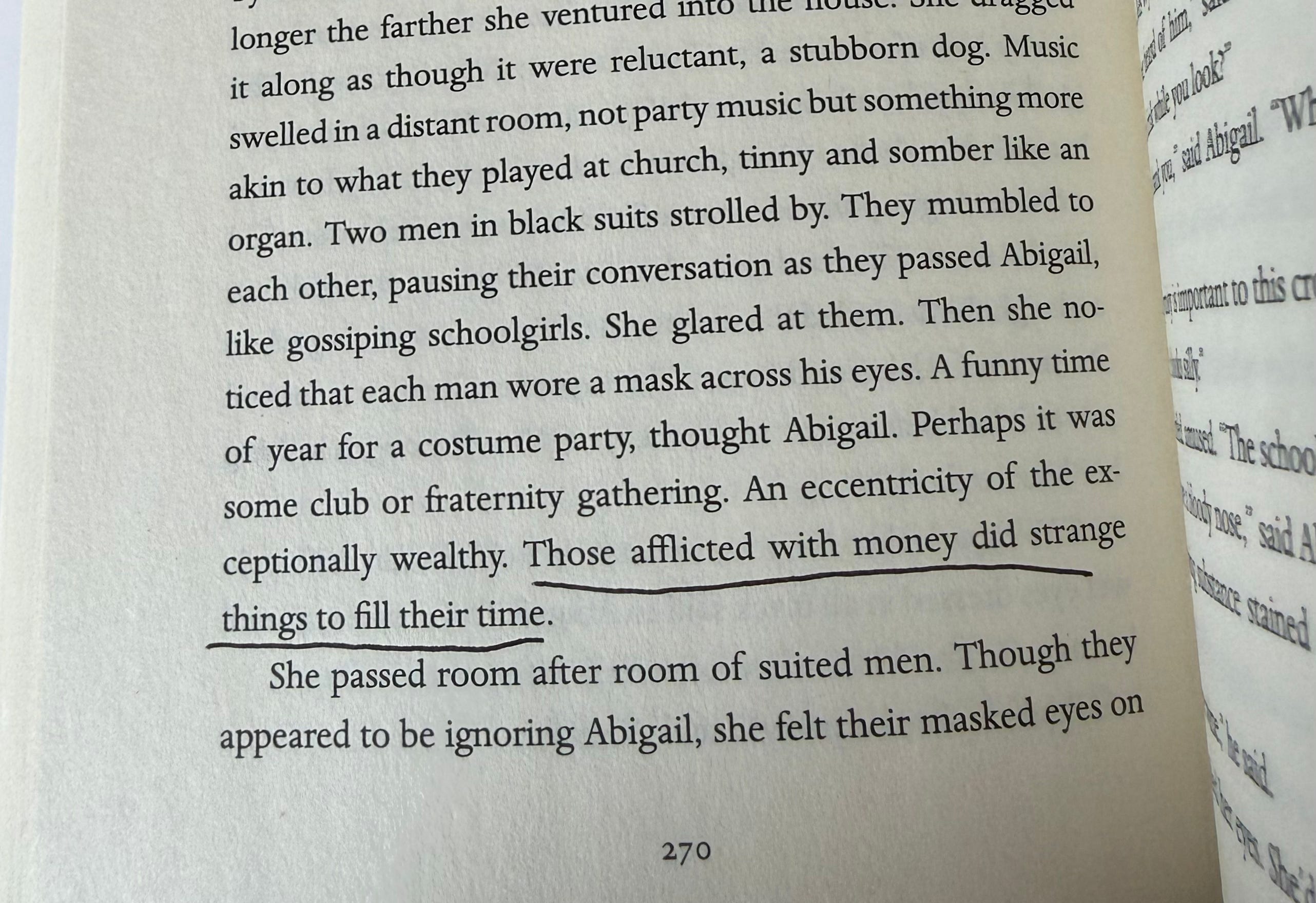
There’s a lot to enjoy in this book because there’s a lot going on in the plot. The family dynamic is lively, and the lives of these characters are absurd but not out of touch with modern-day headlines. The novel has been called maximalist and thrives on excess: a gnat infestation overtaking the local church, Bud’s involvement in the “Lost Lambs” Christian guidance program, and Louise's struggle with her speech impediment. The whole thing operates at a pitch of cheerful absurdity, and at its best, it’s genuinely funny and easy to tear through.
But Lost Lambs never quite settles into its own tone. Several storylines feel insufficiently resolved, and the billionaire subplot in particular feels more ornamental than essential. Although Cash’s dialogue is quick and clever, many of her characters speak in variations of the same self-aware, ironic register, which flattens their individuality—especially when extended to the children. I flew through the first half of the novel, where the story was still establishing its characters and stakes without yet settling into something fully formed.
And while I enjoyed the ride, I kept wishing for more weight beneath the zaniness. It’s an entertaining read—just not as affecting as it seems to want to be. But how affecting does it want to be? By the end of the novel, I wasn’t quite sure. It gestures toward emotional sincerity but rarely commits to it, favoring eccentricity over depth.
It brought me back to that rooftop launch party: how good it felt to be there, how electric the room was, that we were witnessing the arrival of a literary it-girl in real time. Lost Lambs carries that same energy: bright, funny, overstimulated, and just a little hollow at the center. There’s pleasure in that, and relief too. But when I closed the book, I found myself wanting something steadier, something that lingered longer than the buzz. The party was great; I’m just not sure the book stayed with me once I’d left it.
🐑🎀💕